Seminar report corrections tend to concentrate in one place: the literature review and the clarity of the research gap it's building toward -- more than formatting or structure.
What gets flagged most often
- A descriptive, not analytical, literature review. Summarizing what each source found, one after another, without connecting them or showing where the gap in existing work actually is.
- Citations that don't match the reference list, or a reference list with sources never mentioned in the text.
- An unclear objective. If a reader can't state your seminar's specific question in one sentence after reading the introduction, expect a correction there.
- Slide/report mismatches, when the presentation and the written report were prepared separately and drifted apart.
Handling corrections without losing your reviewed version
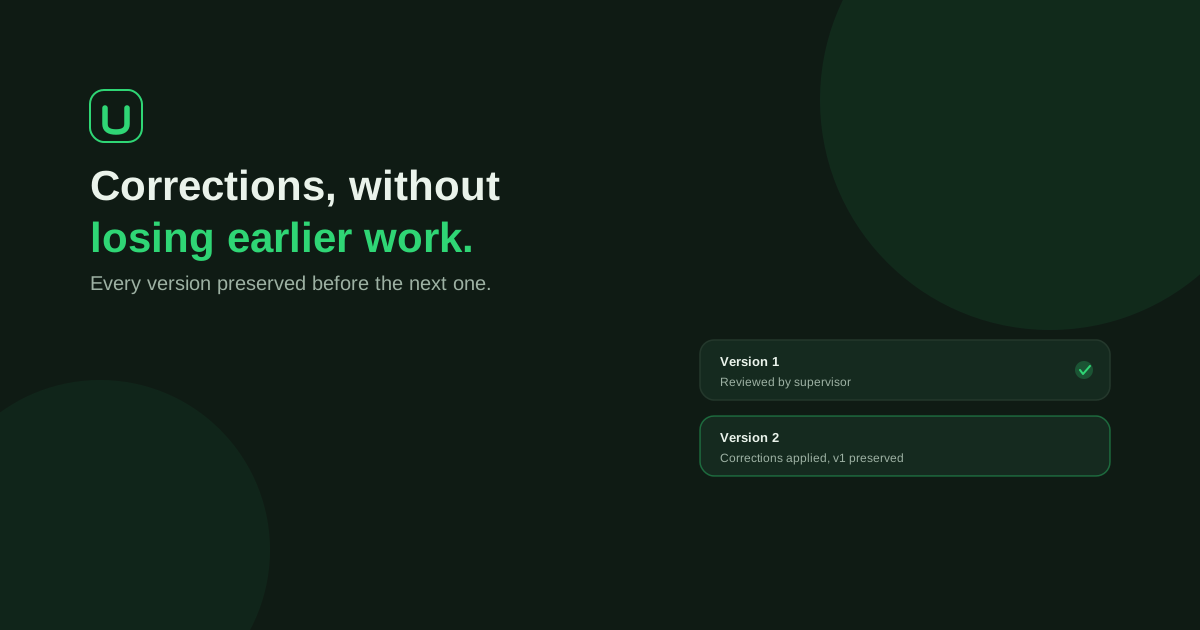
- Keep the reviewed version intact before editing -- name it clearly rather than overwriting it in place.
- Fix the literature review by regrouping, not just rewriting sentences. If the correction is "too descriptive," the fix is usually structural (group by theme, not by source) rather than just rephrasing the same list.
- Cross-check every citation against the reference list after any edit -- this is the single most common thing that breaks silently during a correction pass.
- Update your slides alongside your report if a correction changes your framing, so the two don't drift apart again before your actual seminar presentation.
Where UniDraft fits in
Every UniDraft-generated document is preserved as its own version before a correction is applied, so a supervisor's correction round never risks losing the draft that already passed review -- and citations stay checked against your reference list automatically.