Most "best tools for final year projects" lists mix together things that do genuinely different jobs -- worth separating out before picking any of them.
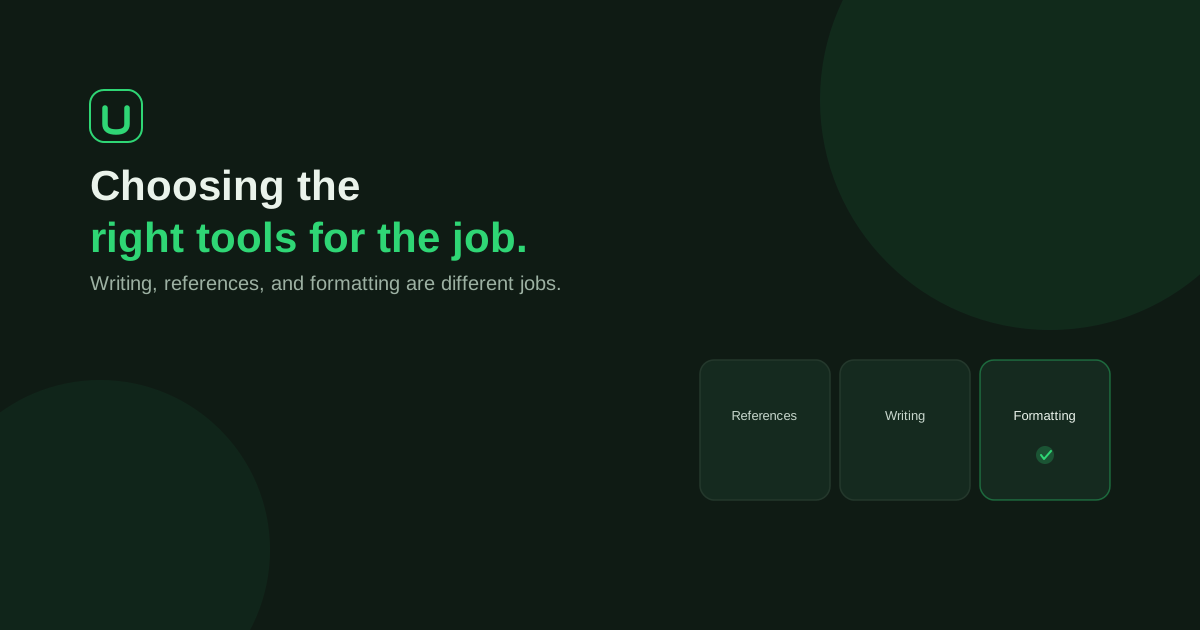
Three different jobs, three different tools
Reference managers (Zotero, Mendeley) track your sources and keep in-text citations synced with your reference list. Useful once you're juggling more than a couple dozen sources; overkill for a short seminar report with five citations.
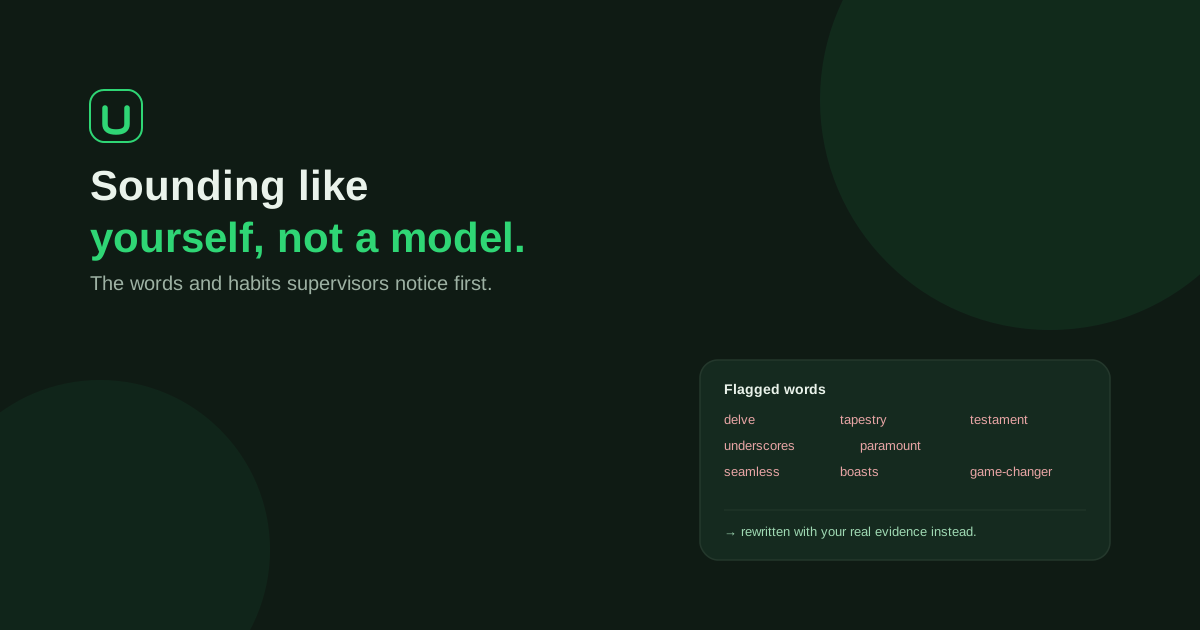
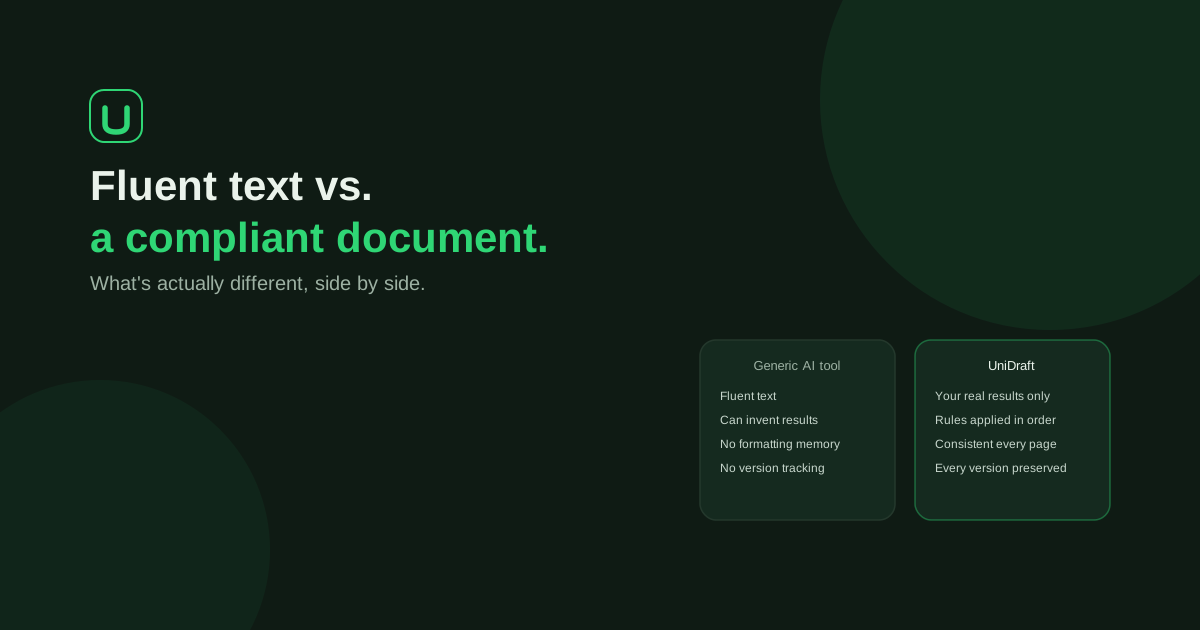
General-purpose AI writing assistants (ChatGPT and similar) are good for thinking through an argument, summarizing a source, or getting unstuck on phrasing. They have no knowledge of your specific department's formatting guideline, no memory of your project's structure across sessions unless you re-explain it, and no built-in check against inventing plausible-sounding but false results or citations.
Formatting and compliance tools apply structural rules consistently -- margins, heading styles, page numbering, chapter order, your department's specific requirements -- across the entire document. This is the job most students underestimate, and it's the single most common reason a technically well-written report still gets sent back.
What actually causes rejections
Reviewing what gets a final year project sent back, it's rarely the prose quality. It's almost always one of: inconsistent formatting between chapters, citations that don't match the reference list, results that can't be traced to real data, or a structure that doesn't match the department's actual guideline. None of these are things a general writing assistant catches on its own.
A reasonable toolkit
- A reference manager if your source count is high enough to justify it.
- A writing assistant for getting unstuck, used carefully -- never for generating your actual findings.
- A tool that specifically enforces your department's formatting rules across the whole document, since this is where reports actually fail review most often.
Where UniDraft fits in
UniDraft is built specifically for that third job: your supervisor's instructions, department guideline, and university baseline are applied consistently across the whole document -- and it never invents results, since everything must trace back to your own verified work.