Correction rounds on an IT/SIWES report are usually about specificity, not writing quality -- a supervisor pointing out that a section doesn't clearly show what you actually did, rather than how it's phrased.
What gets flagged most often
- Generic company profiles. A paragraph that reads like it was lifted from the company's "About Us" page, with no connection to your specific placement, unit, or duties.
- Vague activity descriptions. "Assisted with network tasks" invites a correction; "configured and tested three VLANs across the accounting and sales departments" doesn't.
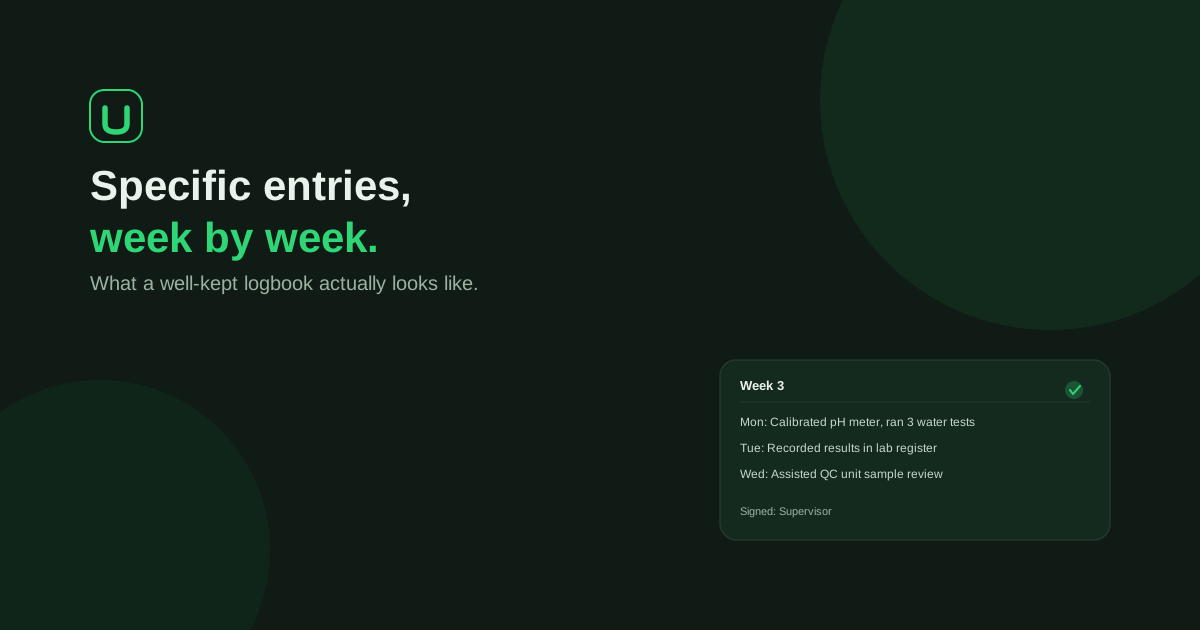
- Logbook/report mismatches. If your logbook says you were in the server room in week 3 but your report describes different duties for that week, expect a correction.
- Missing signatures or dates on the certification page from either your institution-based or industry-based supervisor.
Handling corrections without losing your reviewed version
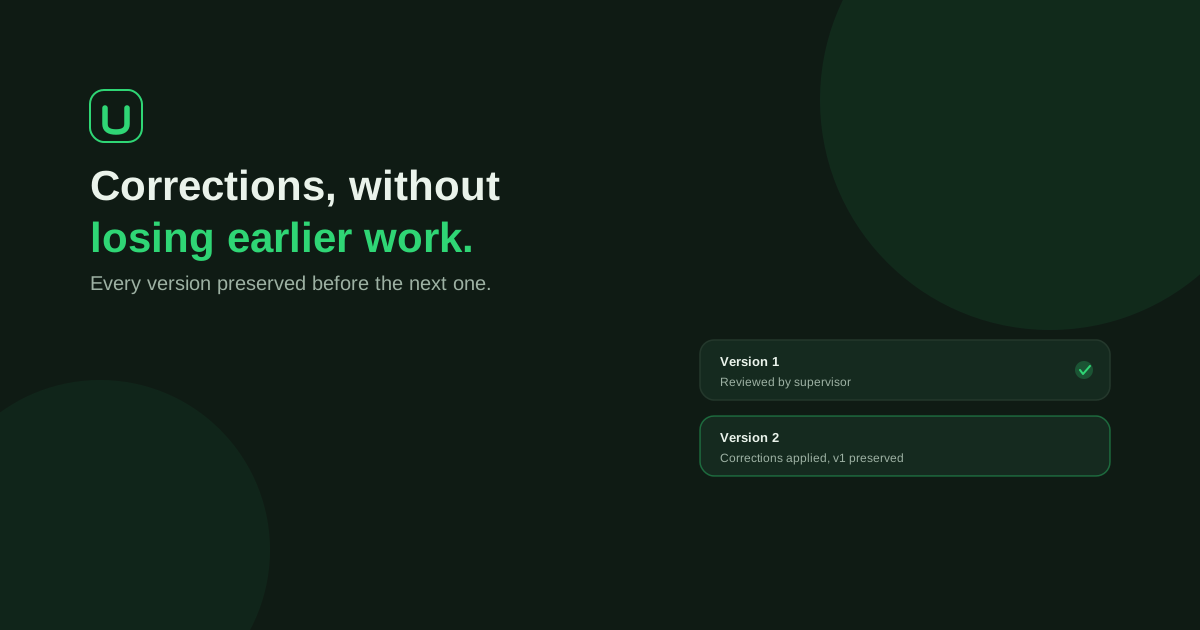
- Keep the version your supervisor already saw, untouched, before making any edits. Name it clearly (e.g. "v1 - reviewed [date]") rather than editing in place.
- Apply corrections to a copy, so if a specific change is misunderstood or needs to be reverted, the prior reviewed version still exists intact.
- Track what changed and why, even informally -- a short note next to each correction ("expanded activity description in 3.2 per supervisor's comment") makes the next review round faster for both of you.
- Don't restructure chapters you weren't asked to touch. A common mistake is using a correction round to also "improve" unrelated sections, which risks introducing new issues into parts that already passed review.
Where UniDraft fits in
Every UniDraft-generated document is preserved as its own version before a correction is applied -- so a supervisor's correction round never risks overwriting the draft that already passed review, and every earlier version stays accessible.