A SIWES report lives or dies on specificity -- which tools help with that, and which just produce more generic-sounding text, matters more here than for most other academic documents.
What actually helps
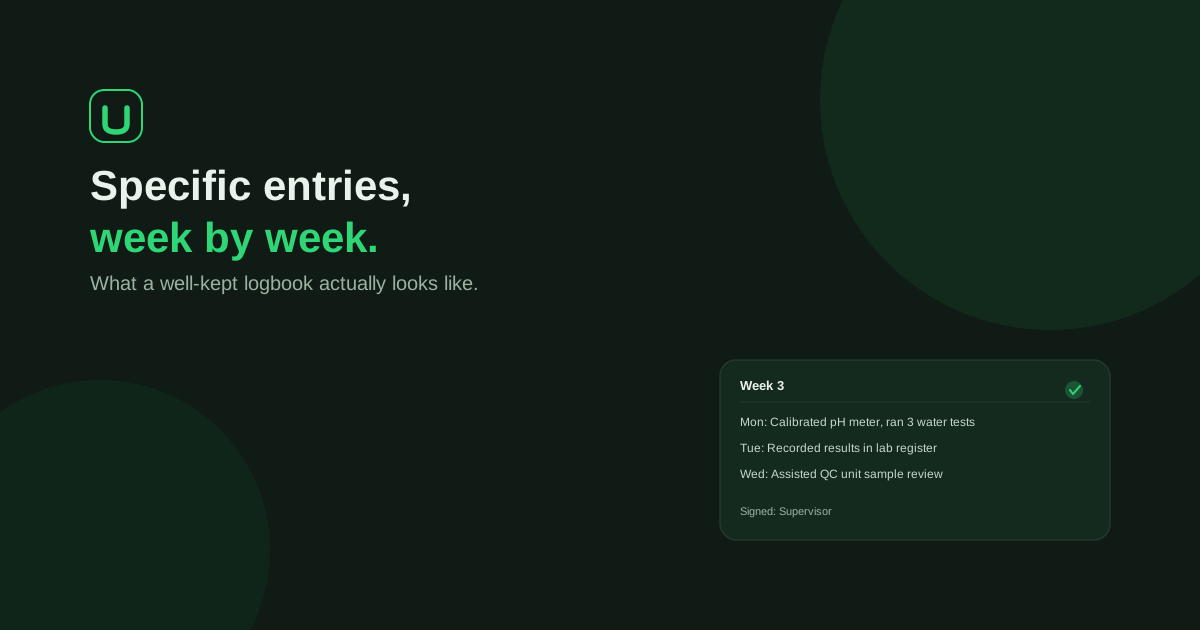
A running log, kept during placement, not reconstructed after. Whether it's a spreadsheet or the physical logbook your institution issues, the single biggest factor in writing a convincing SIWES report is having real, dated detail to draw from. Trying to remember four months of work from scratch when it's time to write is where vague, generic descriptions come from.
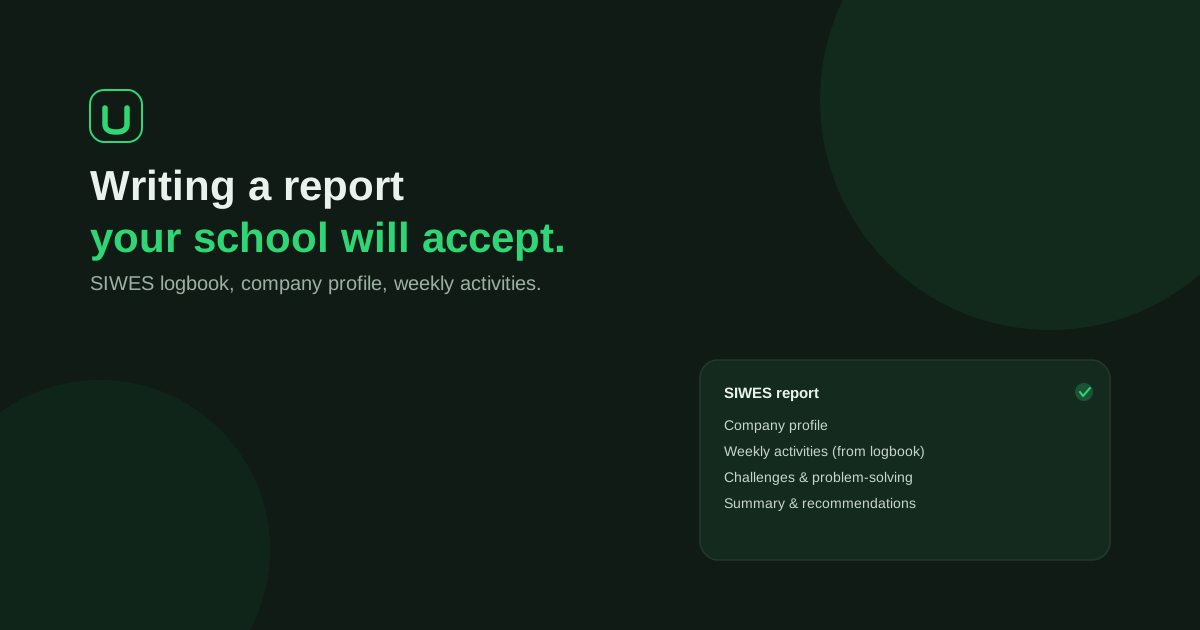
A tool that separates your company profile from generic marketing copy. It's tempting to lean on the company's own website for the profile section -- but a profile that reads like their homepage, disconnected from what you personally did there, is one of the most common things flagged in review.
A formatting tool that knows your institution's specific SIWES guideline -- which is often genuinely different from the final-year-project format, right down to the certification page needing two signatures instead of one.
Where a general AI writing tool falls short
A general-purpose AI assistant has no access to your logbook, your placement company, or your specific institution's SIWES guideline. Used carelessly, it fills gaps with plausible-sounding but generic detail -- exactly the pattern SIWES coordinators are trained to spot, since they read dozens of these reports a year.
Where UniDraft fits in
UniDraft builds your SIWES report around your actual logbook entries and placement details, applies your institution's specific SIWES guideline (not a generic template), and never invents activities or company detail you haven't confirmed.